Complete Home Clutter Clearing and Waste Removal Services for Modern Households
- R&D Junk removal
- Apr 27
- 4 min read

Residential cleanup plays a major role in maintaining safe, organized, and livable homes. Proper removal of unwanted items improves space usage, reduces hazards, and enhances property value. In many cases, structured junk handling can free up nearly 35% of previously unusable home space.We focus on delivering organized and reliable cleanup support tailored to household needs. R&D Junk Removal ensures that residential properties are cleared efficiently while maintaining safe handling and responsible disposal practices.
A well-planned removal process helps homeowners manage clutter, renovation waste, and long-term storage buildup without stress or confusion.
Key Takeaways
Structured home cleanup can recover up to 35% usable living space
Proper sorting reduces landfill waste and supports recycling efforts
Efficient removal improves home safety and reduces fire or pest risks
Organized decluttering simplifies renovation and relocation tasks
Most homes accumulate unused items gradually, making it difficult to recognize how much space is lost over time. Studies show that over 28% of garage and basement areas in suburban homes are typically filled with unused belongings. This highlights the importance of structured cleanup services that focus on efficiency and environmental responsibility.
Structured Approach to Residential Cleanup
A proper residential cleanup process involves sorting, lifting, loading, and responsible disposal. Instead of random hauling, professionals evaluate items for recycling, donation, or disposal. This ensures that usable materials are not wasted and landfill contribution is reduced.
In modern waste management systems, nearly 55% of household junk can be recycled or repurposed when handled correctly. This makes structured removal both environmentally and economically beneficial for homeowners.
Residential Junk Removal in Joplin, MO is especially useful for homeowners dealing with seasonal cleanouts, estate transitions, or long-term clutter buildup. Local residential demand has increased steadily due to rising home renovation projects and lifestyle changes.
Common Areas That Require Cleanup Attention
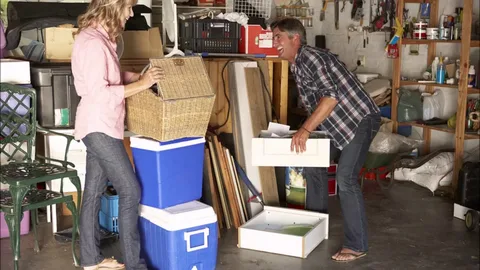
Garage and basement clutter accumulation
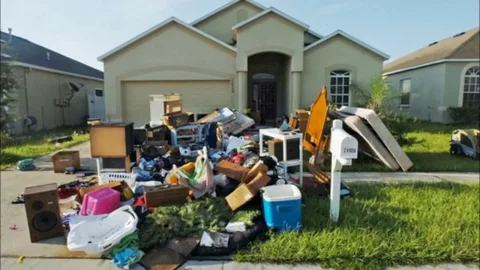
Old furniture and appliance disposal needs
Yard waste and seasonal debris buildup
Attic storage overflow and unused items
Post-renovation leftover materials
Each area requires a different handling method depending on item weight, material type, and disposal rules. For example, appliance removal often involves safe handling of metals and refrigerants, while yard cleanup focuses on organic waste and outdoor debris.
Why Organized Removal Improves Home Living Conditions
A clean and organized home environment directly improves daily comfort and safety. Removing unnecessary items reduces tripping hazards and minimizes dust accumulation. Research indicates that decluttered homes can reduce indoor stress levels by nearly 20%, improving overall well-being.
Improved home safety by reducing clutter-related accidents
Increased usable living and storage space
Faster preparation for property sale or renovation
Better indoor air quality through reduced dust buildup
Organized removal also helps homeowners avoid improper disposal issues, ensuring compliance with local waste management regulations.
Eco-Friendly Household Waste Handling Methods
Modern residential cleanup focuses heavily on sustainability. Instead of sending everything to landfills, materials are carefully sorted for recycling and donation. Around 40% to 60% of household waste can often be redirected from landfill use through proper sorting systems.
This includes separating metals, plastics, wood, electronics, and textiles for appropriate processing. Such methods significantly reduce environmental impact while supporting community recycling programs.
Recycling of metals, electronics, and reusable materials
Donation of usable household furniture and items
Safe disposal of non-recyclable and hazardous waste
Reduction of landfill dependency through sorting practices
Practical Decision Factors Before Starting Cleanup
Before beginning any residential cleanup, homeowners should evaluate the size of the project, urgency level, and type of materials involved. Large-scale cleanouts often require structured scheduling to ensure smooth execution.
Time efficiency is another important factor. Homes with heavy clutter may require phased removal rather than single-day clearing. Proper planning can reduce total cleanup time by nearly 25%, making the process more manageable and cost-effective.
Service Efficiency and Local Residential Trends
Residential cleanup demand has grown steadily in suburban regions due to increasing renovation activity and home upgrades. Reports suggest a 15% annual rise in household decluttering services, driven by lifestyle changes and property turnover.
Efficient scheduling and organized workflows help reduce delays and ensure faster turnaround times. This is especially important for homeowners preparing for relocation or property listing.
Bonus Tips for Easier Home Decluttering
Sort items room by room to avoid confusion
Separate recyclable materials early in the process
Clear access pathways before cleanup begins
Identify bulky items for faster handling
These steps help streamline the entire removal process and reduce overall workload during cleanup operations.
Frequently Asked Questions
What is included in residential cleanup services?
Residential cleanup typically includes removal of furniture, appliances, yard waste, and general household clutter. Items are sorted for recycling, donation, or disposal based on condition and material type.
How long does a home cleanup usually take?
Most home cleanouts take between 2 to 5 hours depending on property size and volume of items. Larger estates or heavily cluttered homes may require additional time.
Are recyclable materials separated during cleanup?
Yes, recyclable items such as metals, electronics, and plastics are separated during the process to reduce landfill waste and support sustainable disposal practices.
Can residential cleanup help before selling a home?
Yes, clearing clutter improves home presentation and makes spaces more appealing to potential buyers. Clean homes often sell faster due to better visual appeal.
What types of items are not accepted?
Hazardous chemicals, certain medical waste, and illegal materials are typically not accepted. These require specialized disposal methods according to local regulations.
Conclusion
Residential cleanup is essential for maintaining safe, organized, and functional living spaces. A structured approach improves home usability, supports environmental responsibility, and simplifies property management. With proper planning and efficient handling, homeowners can restore order and maximize available space without unnecessary stress.
Contact for Reliable Home Cleanup Support
Our team focuses on helping homeowners restore clean, organized living environments through efficient and structured removal services. Whether it involves garage cleanouts, renovation waste, or full home decluttering, we handle each project with care and precision. Reach out today to arrange a convenient service and experience a smoother, clutter-free home environment tailored to your needs.